Replacing windows in a Wellington house
Window replacement is worth looking at when rain gets in around the frames in a storm, or when the timber frames have rotted. It also pays to ask whether the frames are deep enough to take a double glazed unit. If it's only the glass you're unhappy with, you may not need new frames to get double glazed windows in an older Wellington house.
Ask for a quote
Budgeting for new frames, opening by opening
New glass is priced per glass unit and new frames per opening, so before you compare the two, look at what goes into a double glazing price.
A Wellington glazing firm publishes full aluminium replacement at $1,500–2,500+ per opening, including GST, on its February 2026 list. It doesn't say whether that means standard or thermally broken frames.
Going thermally broken adds 25–40% per opening on national figures. We couldn't find a Wellington figure for that step.
For a whole house we only have national figures, so budget from a quote on your own openings.
Published by a Wellington glazing firm, February 2026. Prices include GST.
Full aluminium replacement $1,500–2,500+per opening
National figures for a three-bedroom house, from sources checked in September 2026. GST isn't stated in them.
Retrofit$10,000–25,000
Replacement, standard aluminium$25,000–45,000
Replacement, uPVC or thermally broken aluminium$32,000–60,000
When rot or leaks point to new frames
Before anyone prices new glass, the frame has to be sound and keep the weather out.
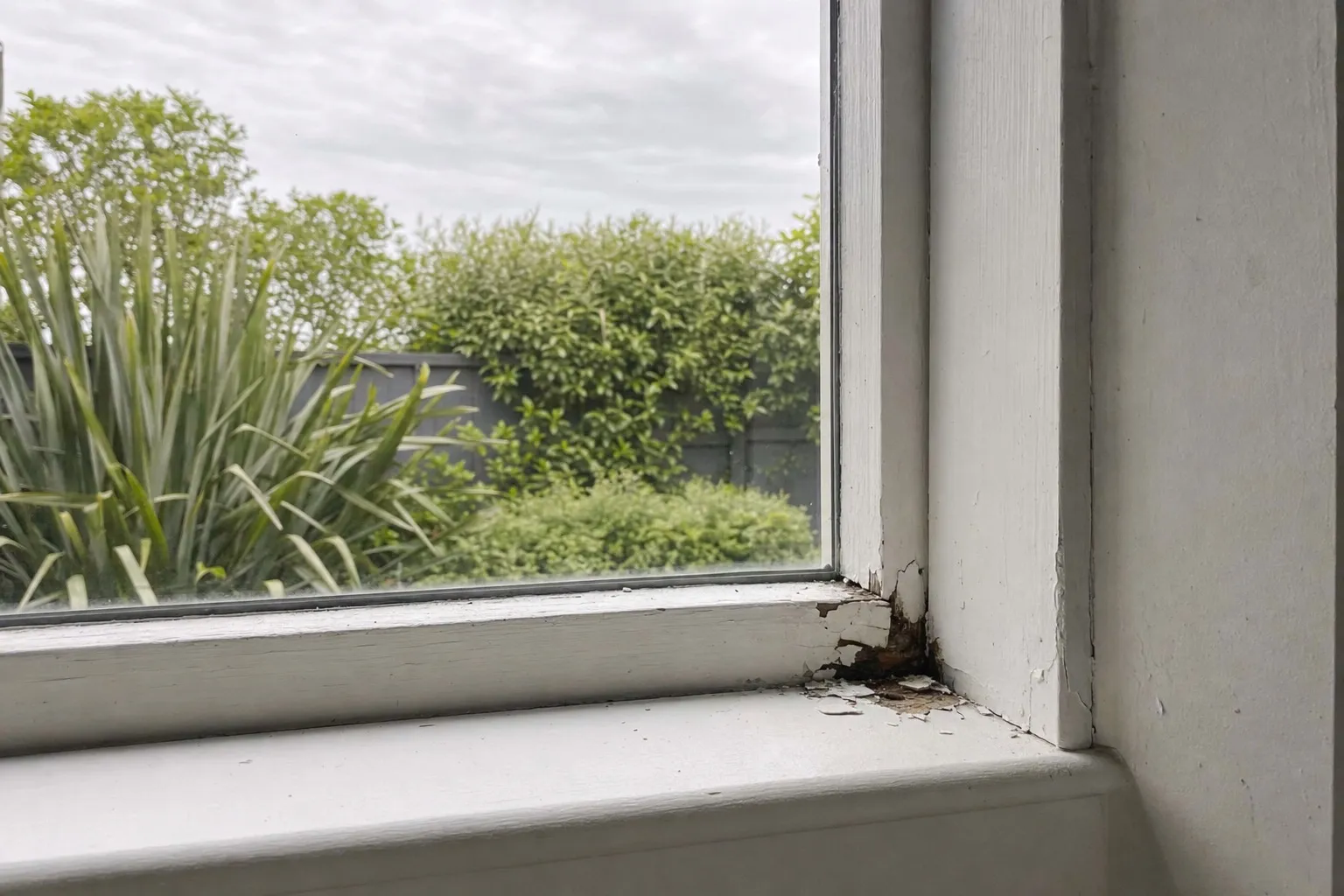
With timber, check where the rot is. A rotten sash can be remade for the old frame, but a frame or sill that has rotted needs dealing with first, and it may be the reason to replace the window.
Ask, too, whether the frames have the depth to take a sealed unit.
If rain gets past old aluminium joinery in storms, that's another reason to have the frames looked at before you spend anything on glass.
We'll pass your details to a local installer, who can price new windows for the openings where the frames leak or have rotted.
Ask for a quoteFrames that look bulkier than 1970s aluminium
Owners replacing slim 1970s aluminium have asked whether the new frames will look heavier.
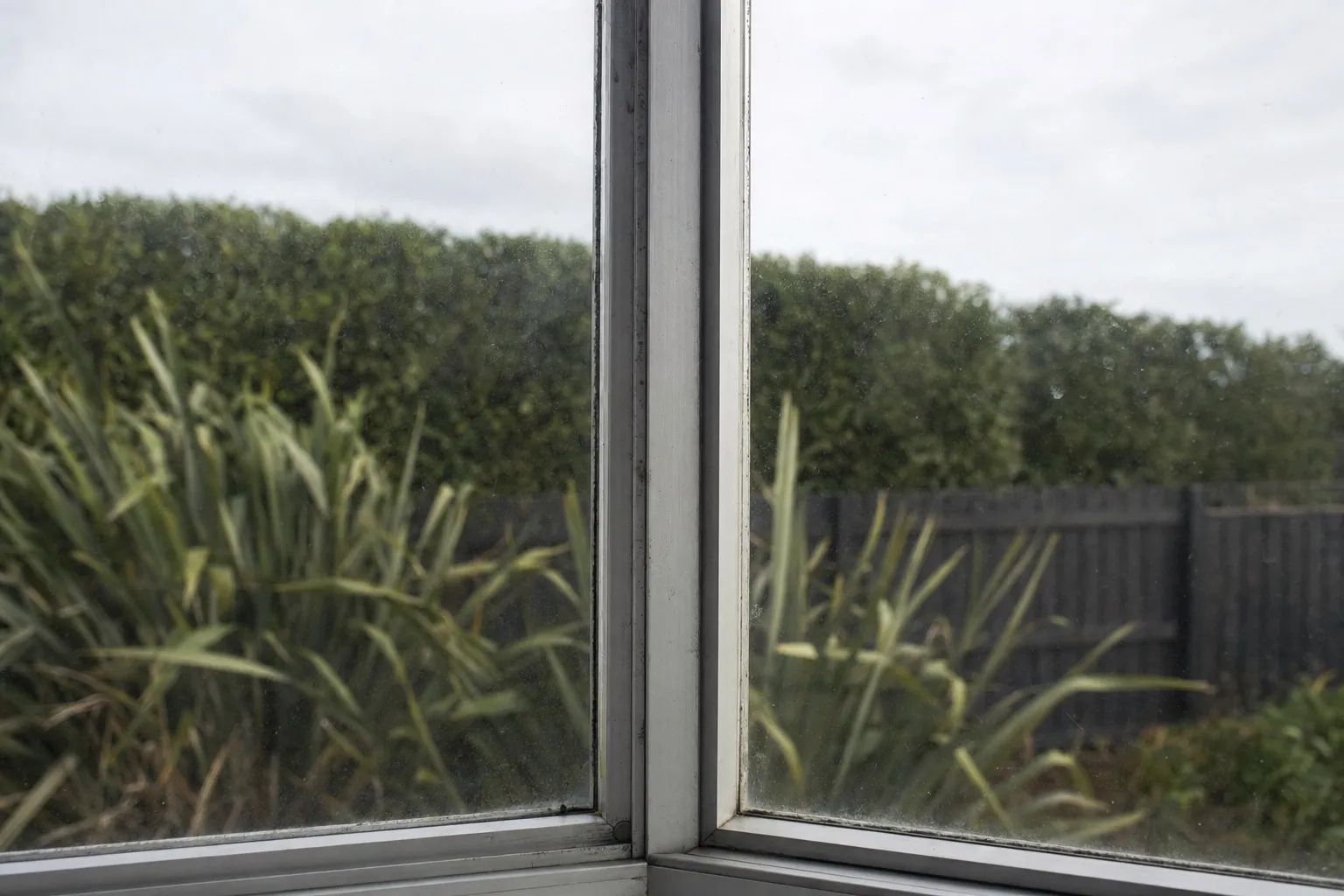
Ask to see a sample of the profile you're quoted, and ask about its sightlines. Then compare the sample with one of your old frames before you sign.
Wind zone labels on new windows
NZS 3604 gives each building site its own wind zone, worked out from things like how exposed the site is, how rough the ground around it is and the lie of the land. Wellington City Council's wind zone map is only a guide for any one house.
NZS 4211 then sets the strength, stiffness, air leakage and water resistance a window needs at its zone's wind pressures.
WGANZ, the Window & Glass Association NZ, says every window must be labelled for the wind zone it's installed in. Once the new windows are in, check each label against the zone in your quote.
Wind zones
- Low
- Medium
- High
- Very high
- Extra high
- SED
The question to ask
Wellington is windy, and much of the city is mapped in the very high or extra high wind zones. Windows and glass have to suit the wind zone at your address, so ask your installer which zone they've designed for and whether the glass thickness and hardware match it.
If you already know the frames have to go, leave "New windows" selected on the form so a local installer knows from the start.
Ask for a quoteExempt building work, and the exceptions
You usually won't need a building consent to replace the windows in a house of one or two storeys. That comes from exemption 8 in the Building Act's Schedule 1, and exempt work still has to comply with the Building Code.
The exemption doesn't cover a window that failed before the 15 years the Building Code generally expects it to last, or work that touches a specified system.
The new windows mustn't insulate any worse than the old ones, but they don't have to meet the full energy efficiency requirements for a new home.
What the exemption doesn't change
NZS 4223.3 still calls for safety glass where someone might hit a pane or fall onto it, including stairways, bathrooms, low panes, and doors with their side panels, within 2,000 mm of floor or ground level. If the old glass in one of those places wasn't safety glass, the new window may need it, even without a consent.
Glazing isn't on the list of restricted building work, and nothing official says whether replacing a whole window is. Ask whether the job will be done or supervised by a Licensed Building Practitioner.
Resource consent is a separate question under the District Plan, so if the house is heritage listed, in a heritage area or in a Character Precinct, check the heritage rules for timber sashes and casements before new frames are ordered.
Choosing the frame material
Put standard double glazing in each frame, and the Building Code's energy efficiency guidance rates the window R0.41 in timber and R0.37 in uPVC, against R0.30 for thermally broken aluminium and R0.24 for standard aluminium. Higher means less heat gets through.
Aluminium
New aluminium comes standard or thermally broken. Ask for the quote to say which, because the price and the R-value both change.
uPVC
National figures for a whole house put new uPVC windows in the same price band as thermally broken aluminium.
Timber
The published prices for new timber windows were too far apart to use. If the frames are sound, new sashes or new glass might do instead.
Other things owners ask about new windows
For a rental with a lot of windows, should it be new aluminium, uPVC or new sashes?
Have the frames checked and each option quoted first. The Healthy Homes standards won't settle it, because they require unreasonable gaps around windows to be stopped, not double glazing. Landlords can read more about the downsides of double glazing an older house.
Who does the architraves, cladding and painting?
It depends on the quote. Ask for it to say whether the architraves, the cladding around each opening and the painting are included, or left for you to arrange.
Does the consent exemption cover a three-storey house?
Not exemption 8, which only covers houses of up to two storeys. For a taller house, ask your council whether replacing the windows needs a building consent.
Find out which of your windows need new frames
Send us your details, and we'll hand them to a local installer. Ask them to check each opening and tell you whether it needs a new frame or only new glass.